
 English
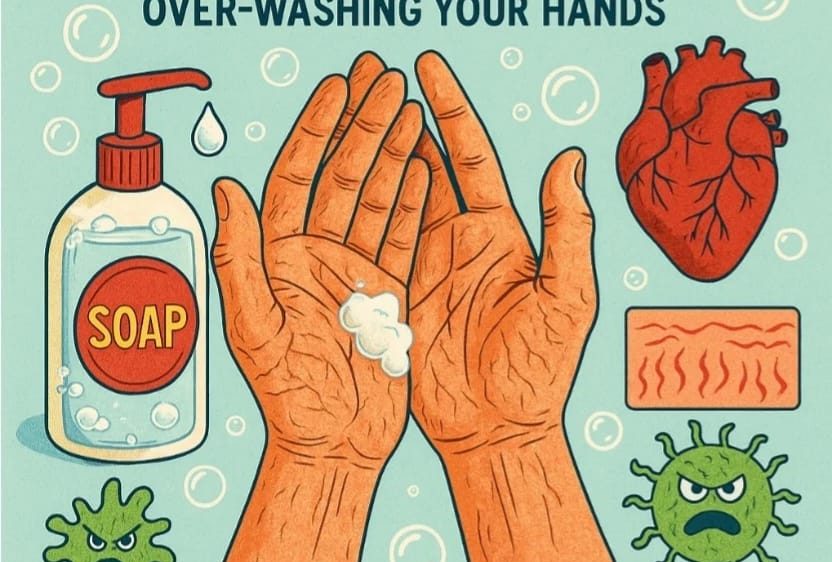
Too Much Soap? The Hidden Health Hazards of Over-Washing
Recently, a young patient came to AMMAGENOMICS after suddenly experiencing neuronal damage that left her unable to walk. For four years, she had visited multiple doctors and tried various treatments—including allopathic, Ayurvedic, and other therapies—but nothing helped. Her blood tests all came back normal, leaving the cause unexplained.
When she approached us, we conducted a comprehensive panel of tests:
- Microbiome Sequencing (gut, oral, skin)
- Blood tests including Blood Bacteremia and mitochondrial function
- Inflammatory cytokine markers
- Saliva and Urine Dysbiosis
- Oxidative stress markers like Malondialdehyde and Polyphenols
To our surprise, we detected bacterial DNA in her blood—the same bacterium that had been linked to contaminated hand wash products recalled in the U.S. in August 2025. Research shows this bacterium can cause inflammation and affect neuronal function.
https://www.nbcnewyork.com/news/national-international/hand-soaps-recalled-nationwide-over-potential-for-life-threatening-infections/6365457/\
While this bacterium was a precipitating factor, the patient’s condition was influenced by multiple contributing factors. After targeting interventions to restore microbiome balance and address oxidative stress, she began showing significant improvement. It was found that usage of too much soap & the hidden health hazards of over-washing.
What Does This Mean for Soap and Hygiene?
We don’t need to fear handwashing—but this case highlights product safety and microbiome balance matter. Excessive use of harsh soaps, especially antibacterial ones, can:
- Strip away beneficial microbes like Lactobacillus, which support skin, gut, and immune health
- Increase susceptibility to skin dryness, irritation, and eczema
- Disrupt gut microbial diversity, leading to bloating or digestive issues
- Potentially weaken immune defenses

The Double-Edged Sword of Beneficial Bacteria
Lactobacillus is a well-known probiotic:
- In the gut, skin, and reproductive tract, it protects us
- If it enters the bloodstream, it can occasionally cause issues like bacteremia or, in rare cases, infective endocarditis—mostly in high-risk individuals (e.g., those with weakened immunity, heart conditions, or prosthetic devices)
Doctors often face the challenge of determining whether bacterial presence is harmless or clinically significant. That’s where AMMAGENOMICS’ advanced testing makes the difference.
How AMMAGENOMICS Protects the Microbiome
Advanced Testing:
- Microbiome Analysis (gut, oral, skin) to assess beneficial and harmful bacteria
- Blood molecular tests to detect bacterial DNA traces
- Inflammation and oxidative stress markers for early detection of systemic imbalance
Personalized Care:
- Targeted probiotics and prebiotics to restore healthy microbiota
- Nutritional guidance with fiber-and polyphenol-rich foods
- Smart hygiene advice to protect against pathogens without harming beneficial microbes
- Lifestyle recommendations, including fasting, yoga, and detox protocols to strengthen immunity
Finding Balance in Daily Life
Hand hygiene is essential, but moderation matters:
- Use mild, pH-balanced soap instead of harsh antibacterial soaps
- Wash hands at key moments (before meals, after bathroom use, after public exposure) rather than obsessively
- Support the microbiome with fermented foods, prebiotics, and probiotics
- Avoid unnecessary antibiotics unless prescribed
Most people don’t realize that symptoms like bloating, fatigue, or recurring skin irritation may be linked to microbiome imbalance. By understanding and restoring microbial balance, AMMAGENOMICS helps uncover hidden health risks and guide recovery.
 Final Word
Usage of too much soap has lot of hidden health hazards after over-washing. Hand hygiene saves lives—but excessive soap use or unsafe products can disrupt the body’s natural defenses. Lactobacillus exemplifies the delicate balance: a protector in the gut, yet potentially risky in the bloodstream.
At AMMAGENOMICS, our mission is to understand your microbiome, identify hidden risks, and guide personalized care. True protection comes not from killing every microbe—but from living in harmony with them.


