
 English
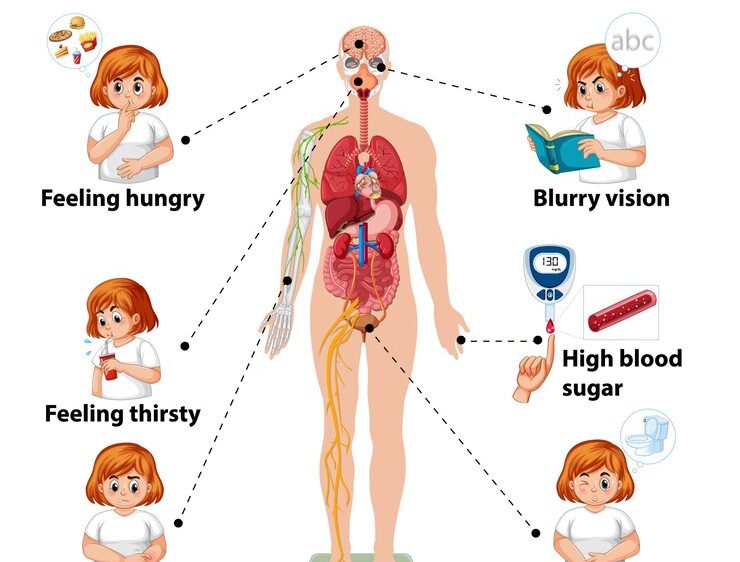
Mitochondrial Dysfunction Affects Diabetes!
The rapid increase in diabetes prevalence worldwide is largely due to an oversupply of calories and a sedentary lifestyle. Mitochondrial dysfunction plays a crucial role in the pathophysiology of diabetes, as mitochondrial function is essential for glucose-stimulated insulin secretion in pancreatic β-cells. This dysfunction may be the central defect causing abnormal glucose metabolism in diabetes.
In both Type 1 and Type 2 diabetes, the survival and function of pancreatic β-cells are compromised. Other factors contributing to diabetes include dysfunction in insulin-sensing tissues such as the liver, muscle, adipose tissues, and immune cells. Mitochondrial function and structure are key determinants of metabolic health across these tissues.
Research on mitochondrial dysfunction in diabetes and therapeutic strategies to restore mitochondrial homeostasis and enhance β-cell function is an active and expanding field. Studies are focusing on the effects of diabetes-related glucotoxicity, lipotoxicity, oxidative stress, and inflammation on β-cell mitochondria, as well as the role of mitochondria in the pathological outcomes of these stressors.
Insulin management in the body is influenced by several factors. When we eat, especially carbohydrates, it can send mixed signals to the mitochondria about the body’s energy needs, particularly during stress, leading to post-meal fatigue.
 Overview of how mitochondrial dysfunction impacts diabetes
Mitochondrial dysfunction is a significant factor that leads to several pathological changes in the case of diabetes, particularly type 2 diabetes (T2D). Here’s an overview of how mitochondrial dysfunction impacts diabetes:
- Impaired Insulin Secretion: Pancreatic beta cells require substantial energy to synthesize and secrete insulin. Mitochondrial dysfunction in these cells can reduce ATP production, impairing insulin secretion and contributing to hyperglycemia.
- Insulin Resistance: In insulin-resistant tissues like skeletal muscle and liver, mitochondrial dysfunction can lead to an imbalance in fatty acid metabolism. Accumulation of lipid intermediates can interfere with insulin signaling pathways, exacerbating insulin resistance.
- Oxidative Stress: Excessive ROS (Reactive Oxygen Species) production due to mitochondrial dysfunction can damage cellular components, including DNA, proteins, and lipids. Oxidative stress is a known contributor to the development of insulin resistance and beta-cell dysfunction.
- Inflammation: Mitochondrial dysfunction can activate inflammatory pathways. Chronic low-grade inflammation is associated with insulin resistance and beta-cell dysfunction in diabetes.
In conclusion, mitochondrial dysfunction plays a pivotal role in the development and progression of diabetes. Understanding these mechanisms opens new avenues for therapeutic intervention to improve mitochondrial function. It helps to manage diabetes more effectively as mitochondrial dysfunction affects diabetes!
Why test at AMMAGENOMICS?
Factors such as toxic foods, stress, imbalanced exercise, poor sleep, and other lifestyle habits can disrupt mitochondrial function. This imbalance is a root cause of chronic diseases like aging, autism, neurodegenerative disorders, cardiovascular diseases, diabetes, kidney disorders, myopathy, and cancer.
Testing Mitochondrial Health at the cellular level is vital for accurate diagnosis. It is useful for effective treatment of diseases, and maintaining good health,
AMMAGENOMICS offers RT-PCR tests to assess the functionality of the mitochondria, our cells’ energy batteries. These tests can help prevent or cure many diseases. We provide Personalized Diagnosis free treatment counseling and dietary suggestions for a complete cure. We give accurate results in a quick turnaround time.


