 English
No products in the cart.
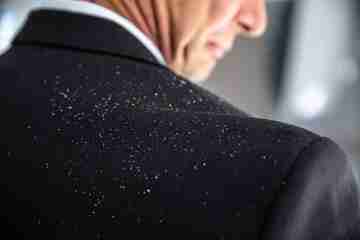
Dandruff is caused by various factors, and its formation is often attributed to a combination of factors. PCR Testing of dandruff is the latest technology which helps to find the root cause of the problem
Reasons for the formation of dandruff include:
Dry Skin: Dry skin on the scalp is a common cause of dandruff. When the skin becomes excessively dry, it may lead to flaking and the appearance of dandruff.
Seborrheic Dermatitis: This is a common skin condition that causes red, itchy, and scaly skin. When it affects the scalp, it can lead to dandruff. The exact cause of seborrheic dermatitis is due to a combination of genetic and environmental factors.
Malassezia Yeast: This yeast is naturally present on the skin, but an overgrowth of Malassezia can contribute to dandruff. The yeast feeds on the oils secreted by hair follicles, leading to irritation and flaking.
Not Oiling and Shampooing Enough: Infrequent oiling of the hair is a major cause of the dryness of the scalp. Not proper shampooing can also result in the accumulation of oil and dead skin cells on the scalp, promoting the growth of Malassezia and contributing to dandruff.
Sensitivity to Hair Care Products: Some individuals may be sensitive to certain ingredients in hair care products, such as shampoos, conditioners, or hair styling products, leading to irritation and dandruff.
Certain Medical Conditions: Conditions like psoriasis, eczema, and other inflammatory skin disorders can contribute to dandruff.
Hormonal Changes: Changes in hormones, especially during puberty, pregnancy, or stress, can affect the oil production in the scalp and contribute to dandruff.
Lifestyle and Dietary Factors: Lifestyle and diet play an important role in overall health. A diet lacking in polyphenols, antioxidants and certain nutrients, such as zinc and B vitamins, influences the health of the scalp and contributes to dandruff.
It’s important to note that the specific cause of dandruff varies from person to person. A combination of factors are involved. Experiencing persistent or severe dandruff, it’s advisable to do a PCR test to find the root cause of the problem for a proper diagnosis and appropriate treatment.
Why test at AMMAGENOMICS?
AMMAGENOMICS Molecular Testing Laboratory offers PCR-based microbiome test which looks at the whole microbiome of the dandruff. It detects all the bacteria, yeast, and fungus in it. Accurate results are given in a quick turnaround time. This PCR test helps to find the root cause of the problem. Based on the test results, free treatment counselling and guidance are given for a complete cure.

